Elderly Bipolar Treatment
Brooklyn, New York
Occasional irritability and moodiness are common as the aging progresses. This is usually due to the assorted aches and pains that are felt as the body grows older. However, if the behaviors or moods become extreme, this could indicate the onset of Bipolar disorder later in life. Bipolar disorder is a mental health disorder characterized by extreme highs and lows in mood and energy.
The severe shifts that happen in Bipolar disorder can have a serious impact on a person’s life. Researchers are also discovering that Bipolar disorder doesn’t “disappear” as adults grow older. Studies show that the symptoms often worsen over time though this might also be due to misdiagnosis.
Symptoms of Bipolar disorder fall into two categories:
Mania and Depression: Mania which can last up to three months if untreated, may include symptoms such as high energy, reduced need for sleep, and loss of touch with reality.
Depression may include symptoms such as low energy, low motivation, and loss of interest in daily activities. These episodes could come before or after a manic, hypomanic, or normal period of mood episodes can last days or months at a time and may also be associated with suicidal thoughts.
Bipolar disorder is often misdiagnosed in seniors because many times the symptoms are slightly different.
Some of the other symptoms commonly noted in seniors with Bipolar disorder include:
- Confusion
- Psychosis
- Hyperactivity
When Bipolar disorder does appear in adults over 60, the symptoms can be sudden and severe. It often seems to cycle faster between Depression and mania, and some seniors report experiencing both episodes at the same time. Seniors with Bipolar disorder frequently experience problems with cognitive function that often include:
- Problems with memory
- Loss of perception and judgment
- Difficulty problem solving
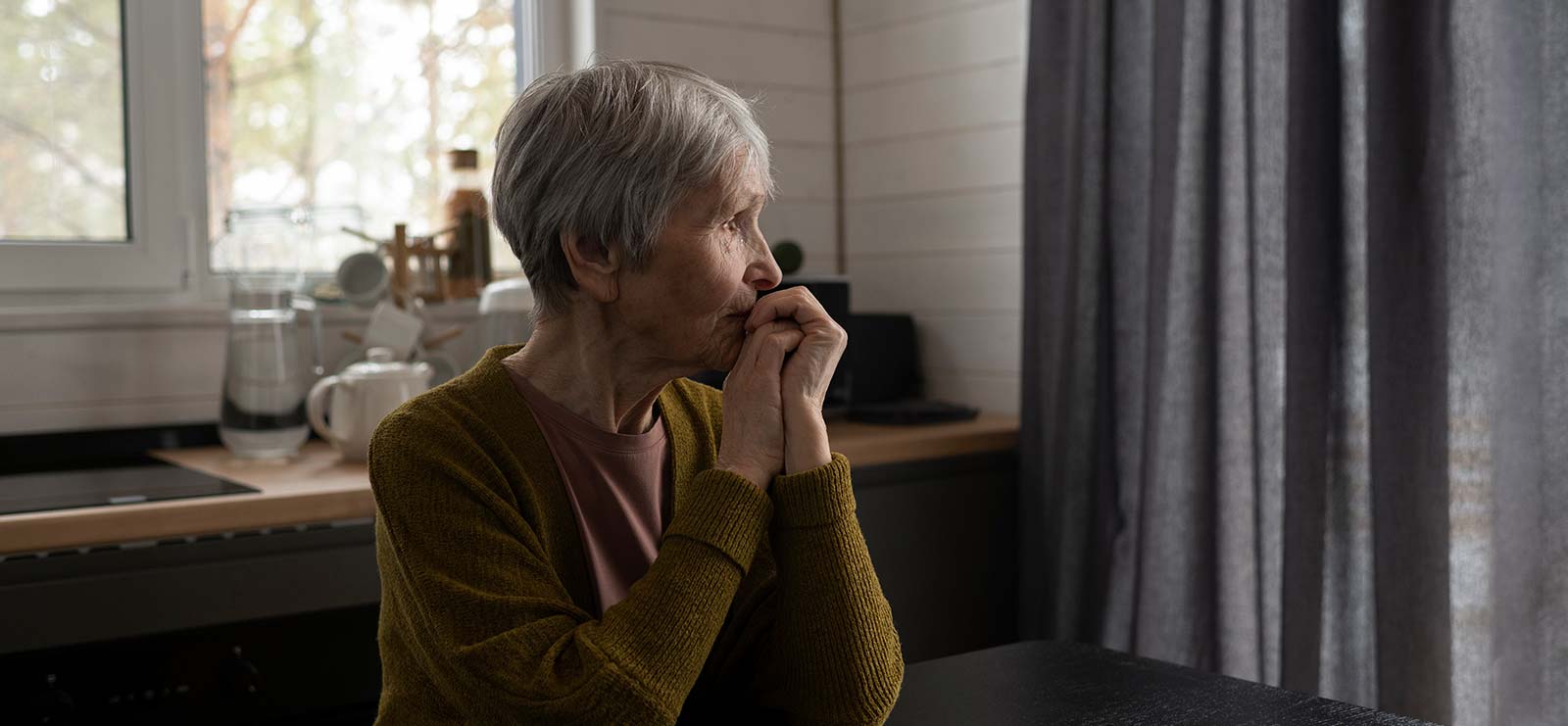
Since these are also common signs of dementia and Alzheimer’s, the Bipolar disorder is often misdiagnosed.
WHY IDCC?
At IDCC, we are proud to have helped many seniors learn to cope with their Bipolar Disorder. As this disorder can affect those close to the individual who is experiencing symptoms, including family and friends, clinicians are trained to include them into the recovery process. Creating this support system helps improve results, enabling the individual to manage living with Bipolar Disorder.
TREATMENT OPTIONS
Many of the medications that work well for younger patients may be problematic for seniors. Additionally, Bipolar disorder medications can react with other medications that older adults commonly take. Lastly, some pre-existing conditions can also interfere with the common treatments. Medications also take effect at different rates for seniors, this can make finding the right dosage a long and frustrating experience.
There are also therapy programs that have been created specifically for seniors with Bipolar disorder and the unique problems that they face. These can be extremely beneficial in helping seniors deal with their Bipolar disorder. Simple “talk” therapy also has very successful results among seniors diagnosed with Bipolar disorder. This is thought to be due to the added support seniors receive. This can be especially important if they have lost loved ones or live far away from family.