
Did you know that older adults also experience anxiety? In this guide “What Causes Anxiety in the Elderly?” we’ll delve into this topic to help you recognize symptoms, understand common causes, and learn how family support plays a key role in these situations.
How can we improve the quality of life for our loved ones? Find out below!
TL;DR
Anxiety in the elderly is often caused by health problems, life changes, social isolation, financial worries, and cognitive decline, and it may manifest through physical symptoms like headaches or muscle tension. Effective management includes CBT, medication, exercise, social support, relaxation techniques, and professional help when needed. Family and caregivers play a vital role by offering emotional support, maintaining routines, encouraging healthy habits, and monitoring treatment. Regular health check-ups, a supportive environment, and early detection are crucial to improving seniors’ mental health and overall quality of life.
Get help with Treatment of Anxiety In Elderly in Brooklyn.
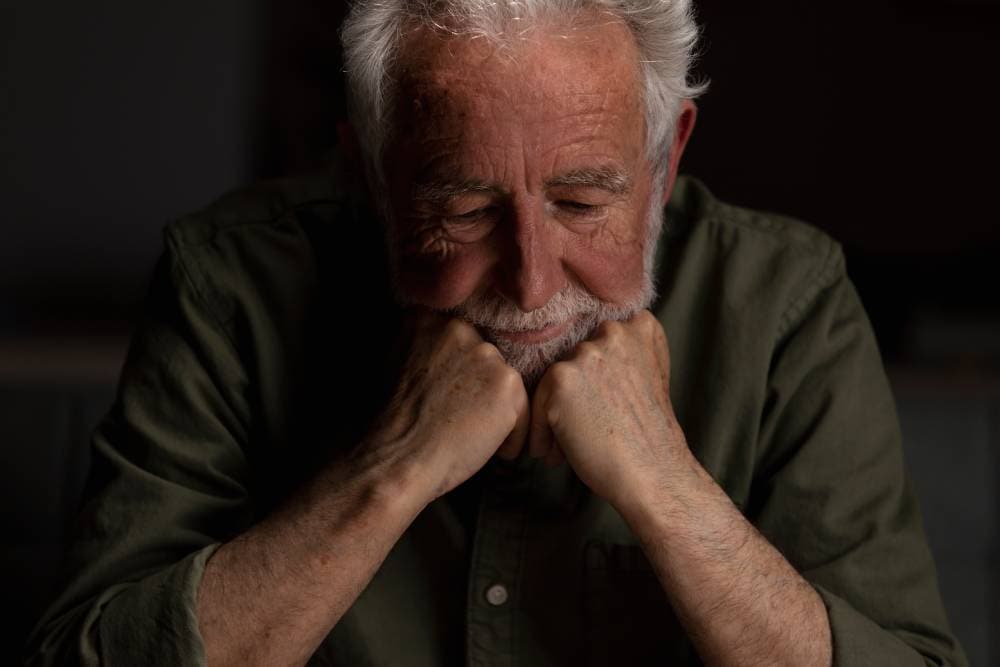
What Are Common Causes of Anxiety in the Elderly?
Anxiety in older adults can be triggered by various factors specific to this stage of life. Common causes include:
- Health Problems: As we age, the risk of chronic conditions like arthritis, diabetes, and heart disease increases. These conditions often cause ongoing pain and concerns about health.
- Life Changes: Retirement, the loss of a loved one, or moving to assisted living can lead to anxiety due to uncertainty and disruption of daily routines.
- Social Isolation: Losing friends, lack of work-related social interaction, and withdrawal from social circles contribute to feelings of loneliness, which can heighten anxiety.
- Financial Worries: Retirement often brings concerns about financial stability, leading to stress and worry.
- Cognitive Changes: Conditions like dementia can cause confusion and a sense of losing control, resulting in anxiety.
Effective Strategies for Managing Anxiety in Older Adults
Managing anxiety in older adults requires a comprehensive approach. Effective strategies include:
- Cognitive Behavioral Therapy (CBT): Helps older adults recognize and replace negative thought patterns with more realistic, positive ones.
- Medications: Anxiolytics or antidepressants can be helpful under medical supervision, with regular monitoring to adjust dosages or avoid side effects.
- Physical Activity: Moderate exercises like walking or yoga improve physical health and release endorphins, reducing stress.
- Social Support: Engaging in community activities or support groups helps combat social isolation and provides emotional support.
- Relaxation Techniques: Meditation, deep breathing, and tai chi can lower anxiety and promote mental calmness.
Seeking Professional Help and Support
When anxiety becomes severe, professional help is necessary. Options include:
- Psychotherapy: A specialized therapist can guide the older adult in managing anxiety with personalized care.
- Support Groups: Joining groups with individuals who share similar experiences offers comfort and understanding.
- Primary Care Physician: A doctor can make an early diagnosis and refer to specialists when needed.
The Impact of Aging on Mental Health
Aging can significantly affect mental health. Cognitive decline, chronic pain, and changes in social networks increase the risk of anxiety and depression. A preventive and personalized approach to mental care is vital in this stage of life.
The Role of Family and Caregivers in Managing Anxiety
Family members and caregivers play a key role in helping older adults manage anxiety. They can:
- Offer Emotional Support: Listening with empathy can make a significant difference.
- Maintain a Routine: A structured schedule helps reduce uncertainty and anxiety.
- Encourage Healthy Habits: Promoting physical activity and a balanced diet benefits both physical and mental well-being.
- Monitor Medication: Ensuring medications are taken as prescribed and watching for side effects.
Environmental and Lifestyle Factors
Lifestyle and environment are critical in the development and management of anxiety. Consider the following aspects:
- Living Conditions: A chaotic or cluttered environment can increase stress. A calm and organized space promotes relaxation.
- Healthy Diet: Proper nutrition is essential for mental well-being. Nutritional deficiencies can worsen anxiety.
- Sleep Patterns: Sleep disorders are common in older adults and can exacerbate anxiety. A regular sleep routine is crucial.
Understanding Anxiety Disorders in the Elderly
Anxiety disorders in older adults can appear in various forms, including:
- Generalized Anxiety Disorder (GAD): Constant worry about everyday situations.
- Social Anxiety: Fear of interacting in social settings, which can lead to isolation.
- Panic Disorder: Sudden episodes of intense fear, often accompanied by physical symptoms like palpitations or shortness of breath.
- Phobias: Irrational fears of specific situations, such as closed spaces or heights.
In older adults, anxiety often presents through physical symptoms like headaches or muscle tension, making diagnosis more challenging.
The Importance of Regular Health Check-ups
Regular health check-ups are essential for monitoring the physical and mental health of older adults. Benefits include:
- Early Detection: Identifying anxiety symptoms early helps address them before they worsen.
- Medication Adjustment: Ensuring prescribed medications are working effectively without adverse effects.
- Referral to Specialists: When necessary, a doctor can refer to psychologists or psychiatrists.
Support Your Loved One’s Mental Health Today
Providing emotional and physical support to your loved ones can greatly enhance their quality of life. Here are some ways to help:
- Be Patient and Understanding: Anxiety can be difficult to manage, but showing empathy and a willingness to help can ease distress.
- Encourage Professional Help: If anxiety persists, encouraging a loved one to seek professional help can be essential.
- Stay Involved: Regular visits and communication reduce isolation and improve mood.
Caring for the Mental Health of Our Seniors
Anxiety in older adults is a topic that shouldn’t be underestimated. By understanding its causes, implementing appropriate strategies, and offering family support, we can significantly improve their well-being.
Ensuring regular health check-ups and creating a supportive emotional environment allows our loved ones to age with peace and dignity. Taking care of their mental health today ensures them a fuller future.
Key Takeaways
- Common Causes of Anxiety in Older Adults
- Health problems like arthritis, diabetes, and heart disease create ongoing worry and pain.
- Major life changes such as retirement, bereavement, or moving to assisted living disrupt stability.
- Social isolation and loss of social networks increase loneliness and anxiety.
- Financial concerns after retirement contribute to stress.
- Cognitive changes, including dementia, can lead to confusion and loss of control.
- Effective Management Strategies
- Therapy: Cognitive Behavioral Therapy (CBT) helps reframe negative thoughts.
- Medication: Antidepressants or anxiolytics may be used under medical supervision.
- Physical activity: Exercise like walking or yoga boosts mood and reduces stress.
- Social support: Community activities and support groups counteract isolation.
- Relaxation techniques: Practices such as meditation, deep breathing, and tai chi promote calmness.
- When Professional Help Is Needed
- Psychotherapy provides tailored coping strategies.
- Support groups offer shared understanding and comfort.
- Primary care physicians can diagnose early and coordinate specialist referrals.
- Impact of Aging on Mental Health
- Aging factors like chronic pain, cognitive decline, and reduced social networks heighten anxiety and depression risks.
- Preventive and personalized mental health care is essential.
- Role of Family and Caregivers
- Provide emotional support by listening with empathy.
- Maintain structured routines to reduce uncertainty.
- Encourage healthy habits such as balanced diets and physical activity.
- Monitor medication use and side effects.
- Environmental and Lifestyle Factors
- Organized, calm living spaces reduce stress.
- Balanced nutrition and proper sleep routines support mental well-being.
- Addressing sleep disorders is crucial, as they often worsen anxiety.
- Types of Anxiety Disorders in the Elderly
- Generalized Anxiety Disorder (GAD), social anxiety, panic disorder, and phobias are common.
- Symptoms often appear as physical issues (e.g., headaches, muscle tension), complicating diagnosis.
- Importance of Regular Health Check-Ups
- Enable early detection of anxiety and related issues.
- Allow adjustments of medications to ensure effectiveness.
- Provide opportunities for referrals to mental health specialists.
- Supporting Mental Health in Seniors
- Show patience and understanding, encouraging open communication.
- Promote professional help when anxiety persists.
- Stay actively involved through visits and consistent engagement.
- Core Message
- Anxiety in older adults should not be underestimated. Addressing its causes with medical care, lifestyle adjustments, and strong family support significantly improves quality of life and emotional well-being.
Sources
- Revista Española de Geriatría y Gerontología. (2019, January-February). Prevalencia de los trastornos de ansiedad en las personas mayores de 65 años: una revisión sistemática. Elsevier. https://www.elsevier.es/es-revista-revista-espanola-geriatria-gerontologia-124-articulo-prevalencia-trastornos-ansiedad-personas-mayores-S0211139X18305833
- Helpy Care. (2024, February 22). Ansiedad en adultos mayores: Causas, síntomas y soluciones. Helpy Care. https://helpycare.com/consejos-noticias-servicios-domesticos/ansiedad-adultos-mayores-causas-sintomas-que-puede-ayudar/