Children Grief Counseling
Brooklyn, New York
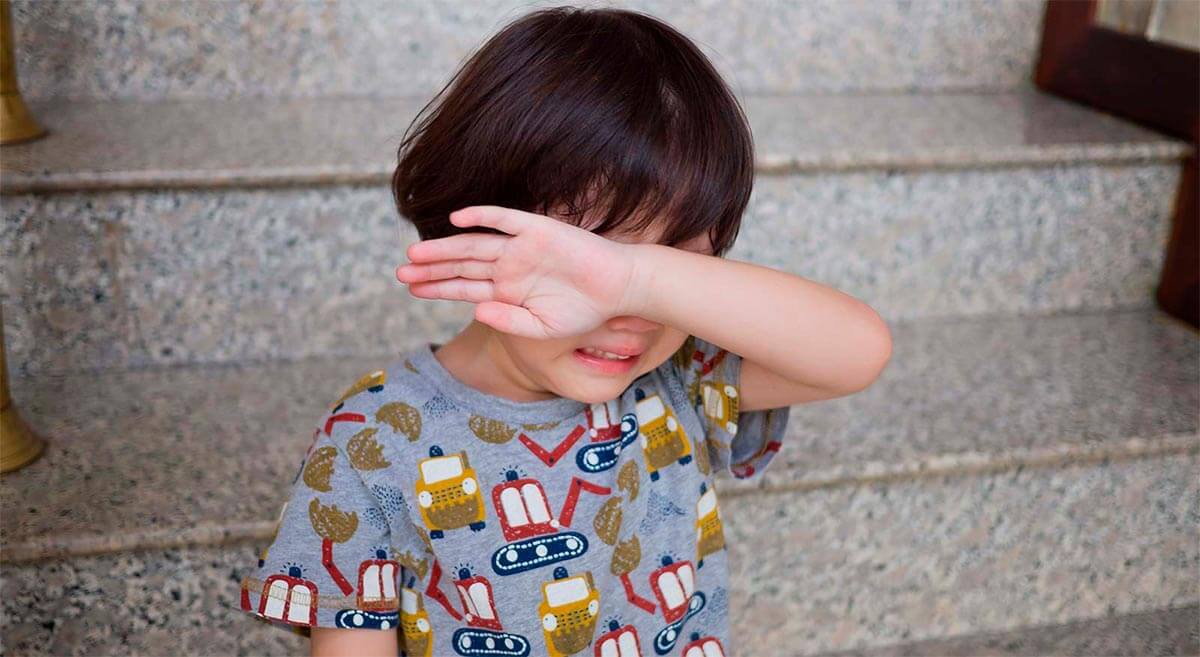
Grief can be a confusing and overwhelming experience for children, impacting their emotional and mental well-being. At Interborough, we provide compassionate grief counseling specifically designed for children. Our experienced therapists offer a safe and understanding space where children can express and process their feelings of loss.
Through individualized counseling and therapeutic activities, we help children understand their grief, develop coping strategies, and gradually find their way back to hope and joy. Our approach is gentle and respectful, acknowledging each child’s unique experience with loss and supporting them at their own pace.
TL;DR
Children’s grief counseling at Interborough in Brooklyn provides a safe, compassionate space for kids to process loss. Since children grieve differently from adults—often showing emotions through behavior rather than sadness—therapy focuses on helping them understand their feelings, develop coping strategies, and heal at their own pace. Grief may resurface over years, and children can experience emotions like anger, denial, or guilt, all of which are normal. IDCC tailors support to each child’s developmental level, beliefs, and experiences, using counseling, support groups, and psychotherapy to guide them toward recovery and healthy adjustment.
How to counsel grief stricken children
Some emotions a child may experience include:
- Yearning
- Anger
- Despair
- Guilt
- Irritability
- Denial
- Disbelief
- Confusion
- Shock
- Sadness
- Humiliation
WHY IDCC?
My child is dealing with grief, what do I do?
Many times, support groups or psychotherapy are used to help during a Bereavement period. Setting small steps and goals are used to help you absorb the loss in a healthy and meaningful way. With support, patience and effort, children can and will work through the Bereavement period. After working through the pain of the loss of a loved one, children usually are left with cherished memories and can go on living a productive life.
Key Takeaways
Impact of Grief on Children
Grief is overwhelming and confusing for children, often affecting emotional and mental well-being.
Children may avoid feelings of sadness, expressing grief instead through anger or misbehavior.
Unlike adults, children’s grief can reappear intermittently over many years as they grow and reach new developmental stages.
Children’s Emotional Responses to Loss
Common emotions include yearning, anger, despair, guilt, irritability, denial, disbelief, confusion, shock, sadness, and even humiliation.
These feelings are natural and healthy, helping children process and come to terms with loss.
Initial numbness is common, even when a death is expected.
Unique Nature of Grief in Children
Children grieve differently from adults and may not express distress through obvious behaviors.
Their grief reactions are influenced by developmental stage, cognitive skills, personality, spiritual beliefs, parental teachings, and prior experiences with death.
IDCC’s Approach to Child Grief Counseling
Provides compassionate, individualized support tailored to each child’s unique grieving process.
Focuses on creating a safe space for children to express and process feelings of loss.
Therapists use therapeutic activities, support groups, and psychotherapy as needed.
Recovery involves setting small, meaningful steps and goals to process bereavement.
Goal of Treatment
Help children understand grief, develop coping strategies, and gradually find hope and joy again.
Support children in building resilience, cherishing memories, and continuing to live a fulfilling life.
Local Expertise in Child Mental Wellness
We’re proud to offer specialized Children’s Mental Health Services right here in Brooklyn. Join our community of care and give your child the gift of mental well-being.